



Special maintenance techniques and usage precautions for CNG systems in summer
—— Special maintenance techniques for CNG systems in summer
The core of summer CNG system maintenance lies in "preventing high temperature aging, controlling inflation pressure, and frequent ventilation and heat dissipation", with a focus on preventing rubber component failure and pressure abnormalities. In response to the high temperature characteristics in summer, in addition to routine leak detection, the following special maintenance measures need to be implemented to prevent leakage risks caused by thermal expansion, contraction, and material aging:
1. Key component "anti-aging" inspection
High temperatures in summer can accelerate the aging and brittle cracking of rubber and plastic parts, which is a high risk factor for leaks:
Rubber sealing rings and hoses: Focus on inspecting the O-ring seals at the valve port of the gas cylinder, the interface of the pressure reducer, and the low-pressure gas hose. If cracks, hardening or loss of elasticity are found on the surface, it must be replaced immediately and forced use is strictly prohibited.
Fixed bracket and pad: Check if the rubber pad under the gas cylinder fixing strap is intact. Rubber is prone to deformation at high temperatures. If the cushion block wears out and causes direct contact between the gas cylinder and the metal bracket, the vibration during vehicle operation can break the anti-corrosion layer of the cylinder body and even damage the cylinder body.
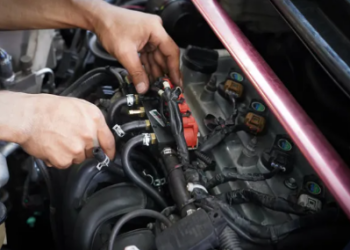
Wire harness protection: Check whether the gas pipeline and wire harness in the engine compartment maintain a safe distance to prevent the insulation layer of the wire from melting due to high temperature, which may cause short circuit sparks and ignite leaked gas.
2. Inflation and parking "temperature control pressure" strategy
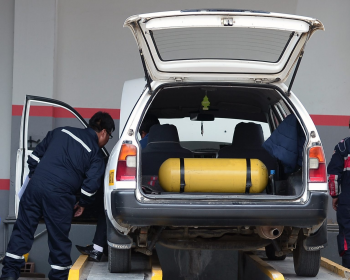
Strictly control the inflation pressure: In summer, the temperature is high and the gas expands significantly when heated. When refueling, it is necessary to confirm that the final pressure does not exceed 20MPa (specific to the cylinder label), and avoid filling up to the limit. Reserve space for thermal expansion to prevent the safety valve from frequently tripping due to excessive pressure after exposure to sunlight.
Avoid direct sunlight exposure:
When parking, it is preferred to use an underground garage or a shaded area.
If it is necessary to park outdoors, it is recommended to use a sunshade to cover the front windshield and the area where the gas cylinder is located (such as the trunk), in order to reduce the temperature inside the car and on the surface of the gas cylinder.
It is strictly prohibited to park vehicles for a long time near heat sources (such as boiler rooms, open flame work areas).
3. Ensure smooth ventilation and heat dissipation
Cleaning ventilation holes: For CNG cylinders installed in the trunk, it is necessary to regularly check the ventilation louvers/exhaust holes on the side of the vehicle, remove dirt, fallen leaves, or debris blockages, and ensure that any leaked gas can be quickly expelled from the vehicle and does not accumulate in enclosed spaces.
Engine compartment heat dissipation: Keep the engine compartment clean and avoid oil accumulation. In high temperature weather, good heat dissipation can reduce the thermal load on components such as pressure reducers and extend the life of seals.
4. Response to special scenarios
Long distance driving monitoring: When driving long distances in summer, it is recommended to take a brief sniff of the car's interior every 2-3 hours or rest in the service area to check for any unusual odors, and observe if the pressure gauge reading is stable.
Inspection after rain: It is often rainstorm in summer. After wading, it is necessary to check whether the cylinder support and pipe joints are immersed in mud and water, and clean and dry them in time.
⚠️ Urgent Reminder
If the pressure gauge pointer shakes abnormally, the safety valve continues to exhaust, or a strong odor is smelled in hot weather, do not attempt to tighten the bolts by yourself (operating under high temperature and pressure can easily cause accidents). Immediately turn off the engine, evacuate, and call a professional rescue hotline.
—— Precautions for daily use of CNG conversion kit
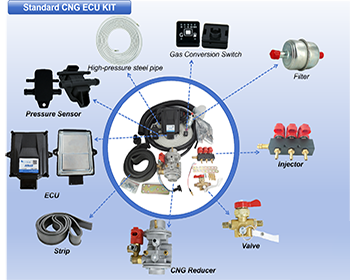
The core of daily use of CNG conversion kits lies in "standardized switching, regular leak detection, maintaining fuel level, and professional maintenance", and it is strictly prohibited to forcibly convert fuel under dangerous working conditions. The following are the operating standards and taboos that CNG kits must follow in daily driving, which can effectively extend equipment life and eliminate safety hazards:
1. Startup and fuel switching specifications
Initiation principle:
Cold start: It is recommended to prioritize using gasoline for starting. After the engine water temperature reaches the normal range (usually above 60 ℃), switch to natural gas mode. This can protect the pressure regulator seal and prevent failure due to low-temperature icing.
Hot start: If the vehicle has just been turned off, it can be started directly with natural gas, but it is necessary to ensure that the switch indicator light is normal.
Switching timing:
Best operating condition: Fuel conversion should be carried out during high-speed operation of the engine (such as driving).
Prohibited scenarios: It is strictly prohibited to switch between oil and gas during traffic congestion, uphill and downhill, turning, poor visibility, or unstable engine idle to prevent stalling or accidents caused by power fluctuations during the transition period.
Fault handling: If the switch indicator light does not light up or the conversion fails, turn off the ignition switch and wait for more than 30 seconds before trying again; If it still doesn't work, please forcibly switch back to gasoline mode and send it for repair.
2. The iron law of "fuel tank inventory"
Must store fuel: Regardless of the main fuel used, the fuel tank must always hold at least 10 liters of gasoline.
Reason 1: Ensure emergency driving during cold start and gas system failure.
Reason 2: To prevent the gasoline pump from burning out due to long-term dry running and to avoid nozzle blockage.
Regularly "drink oil": It is recommended to switch to gasoline mode and drive for about 50 kilometers every 3000 kilometers using CNG to lubricate the fuel system and maintain the freshness of the gasoline.
3. Daily "three checks" system
Before driving, after refueling, and when parking, the following checks must be performed:
Before driving, check whether the gas cylinder fixing bracket is loose, whether there is any odor in the pipeline joints, and whether the gas volume display reading is normal.
After refueling, check: confirm that the refueling gun has been completely removed, the dust plug has been covered, the manual shut-off valve has been opened, and there is no leakage sound.
Check when parking:
Parking should be done in a cool and ventilated area, away from sources of fire and heat.
When parked for a long time (more than 3 days), the remaining gas in the cylinder must be used up, and the manual shut-off valve and power switch of the cylinder must be turned off.
4. Key maintenance and taboos
Overpressure filling is strictly prohibited: the inflation pressure shall not exceed 20MPa. Attention should be paid to reserving space for thermal expansion during high temperatures in summer.
Regular sewage cleaning:
It is recommended to clean the drain outlet at the bottom of the pressure reducer once a month to discharge the deposited oil, water, and impurities.
Clean the mixer/spray rail and air filter every 20000 kilometers or when feeling a decrease in power.
New car running in period: During the running in period (usually the first 3000 kilometers), the use of CNG is prohibited and gasoline must be used throughout the entire journey to ensure good running in of all engine components.
Personnel qualifications: Only drivers who have received CNG usage training are allowed to operate, and it is strictly prohibited to disassemble high-voltage components without authorization.
5. Response to abnormal situations
Smell odor: Immediately stop the car, turn off the engine, close the gas cylinder valve, evacuate personnel, and strictly prohibit starting electrical appliances.
Abnormal power: If there is a significant decrease, jerk or backfire in power during driving, immediately switch back to gasoline mode and repair the gas system as soon as possible (possibly due to filter blockage or sensor failure).
Accident handling: After a collision, regardless of whether there is a leak, the gas cylinder valve and power supply must be closed first, and the system integrity must be checked before restarting
Refer to:https://gallopsmotors.com/summer-maintenance-tips-for-cng-vehicles/
The pictures and articles are from the internet. If there is any infringement, please contact us to delete them.
Popular articles
-
How the CNG Automotive S
Compressed natural gas (CNG) automotive systems
-
Advantages Of CNG Gas V
Compressed natural gas vehicles are vehicles th
-
What Is CNG Pressure Red
The pressure reducer of natural gas vehicle is
-
Reasons For High Gas Con
1. Original vehicle condition A. The tec
-

Differences Between Sing
Characteristics of Gas Single Point Device
-

How To Improve The Power
1. Install ignition advance angle What i
-

How The CNG Gas Vehicle
If you want to know – how does the CNG conversi
-

Advantages And Principle
LPG and CNG are two mainstream alternati





Latest comments
0piece comment
no comments, welcome to comment。