



Precautions for the use and maintenance of CNG vehicles in summer
During summer, when using CNG vehicles, attention should be paid to three checks and one replacement, water temperature monitoring, parking and sun protection, and maintenance should focus on regular inspection of gas cylinders and pipelines. The high temperature season places higher demands on the safe operation of CNG vehicles, and management needs to be strengthened in terms of usage habits and maintenance.
1.Precautions for summer use
1) The principle of "three checks and one replacement": check before driving, check after refueling, check for abnormalities, regularly replace vulnerable parts and rubber products to prevent leakage caused by aging.
2) Monitoring water temperature: High temperatures in summer increase the burden on the engine cooling system. If the water temperature approaches or reaches the upper limit specified in the manual, the cooling system should be checked immediately to avoid overheating that may cause a decrease in power or damage.
3) Choose a cool and ventilated place for parking: Avoid prolonged exposure of the vehicle to the sun to prevent excessive temperature and pressure rise of the gas cylinder, which may increase safety hazards. Simultaneously protecting the interior and delaying the aging of rubber components.
4) Emergency response to leakage: In case of minor leakage, immediately park in a safe area, turn off the ignition switch and manual valve of the gas cylinder, check and repair; If it is a high-pressure leak or fire, evacuate personnel, isolate the scene, use dry powder fire extinguishers, try to cool down the gas cylinder, and call the police in a timely manner.
5) Maintain ventilation in the car: Smoking or using open flames is strictly prohibited in the cabin to ensure air circulation and prevent natural gas accumulation from causing flash explosions.
2.Key points of summer maintenance
1) Regular inspection of gas cylinders and pipelines: Pay special attention to whether the composite material layer of the wrapped gas cylinder is scratched, bumped, or corroded. Check whether the fastening straps and isolation rubber pads are intact to prevent the gas cylinder from shifting or being damaged.
2) Pay attention to changes in cylinder pressure: If the cylinder pressure drops abnormally during driving or the amount of gas added does not match the mileage, be alert to the possibility of leakage and detect it in a timely manner.
3) Maintain the sealing of the gas system: Clean the sediment at the CNG discharge outlet every month to prevent non-volatile substances from blocking the pipeline; Check the filter element and solenoid valve core of the high-pressure pipeline, and adjust the pressure of the pressure reducing valve.
4) Regular annual inspection: The first annual inspection of taxis is two years, and then once a year thereafter; Private cars are used every two years. The service life of gas cylinders is generally 15 years, and they must be scrapped upon expiration.
5) Selection of specialized components: When replacing spark plugs, high calorific value models specifically designed for dual fuel vehicles should be used with smaller clearances to adapt to the combustion characteristics of natural gas; The air filter also needs to be replaced regularly according to the frequency of use.
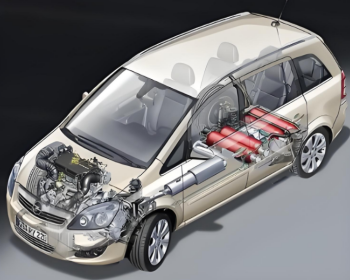
3.CNG vehicle summer maintenance project
The summer maintenance of CNG vehicles mainly includes inspection of gas cylinders and pipelines, maintenance of gas systems, replacement of specialized components, and maintenance of cooling systems. In response to the special risks in high-temperature environments, it is necessary to strengthen the management of gas safety and heat dissipation performance on the basis of routine maintenance.
1) Gas cylinder and pipeline system inspection
Gas cylinder status monitoring: Check whether the wrapped gas cylinder has scratches, wear, or bulges, with a focus on the integrity of the composite material layer and metal inner liner.Fixed device inspection: Confirm that the gas cylinder bracket is securely fastened without any looseness, and that the rubber gasket between the grids is not damaged, to prevent damage caused by vibration during driving.
Pressure and sealing testing: Regularly check whether the pressure of the gas cylinder is normal. Before driving and after refueling, the gas supply system should be checked for leaks to avoid safety hazards caused by gas expansion at high temperatures.
2) Special maintenance of gas system
High pressure component maintenance: Clean the high-pressure pipeline filter element every month, check the working status of the solenoid valve core, and adjust the pressure of the pressure reducing valve to the standard range.System sealing and cleaning: Regularly inspect gas pipelines and circuit connections for aging or looseness to ensure no leaks; Conduct comprehensive maintenance on the pressure reducing valve and gas supply system every six months.Annual inspection execution: The first annual inspection of taxis is for two years, and then once a year thereafter; Private cars are inspected for natural gas cylinders every two years to ensure compliance with safety standards.
3) Replacement of key components
Spark plug update: Use specialized high calorific spark plugs with smaller gaps to adapt to the combustion characteristics of natural gas. Taxis are recommended to be replaced every 3 months, and private cars should be checked for electrode erosion every 20000 kilometers.
Air filter replacement: If driving in a dusty environment for a long time, it is recommended to shorten the replacement to every 10000 kilometers to prevent poor intake from affecting the mixture ratio.Regular replacement of rubber parts: High temperature accelerates rubber aging, and vulnerable parts such as sealing rings and hoses should be replaced regularly to prevent cracking and air leakage.
4) Engine and cooling system guarantee
Coolant inspection: Ensure that the antifreeze is sufficient and has not deteriorated, with a boiling point above 120 ℃, to prevent the engine from "boiling" and affecting the stable operation of the gas system.Water temperature monitoring: Pay close attention to the water temperature gauge during operation. If it approaches the upper limit, immediately stop and check the cooling system to avoid overheating and abnormal gas pressure.Oil and lubrication management: Check the oil level and quality to prevent lubrication failure caused by high temperature oxidation, which indirectly affects the service life of gas engines.
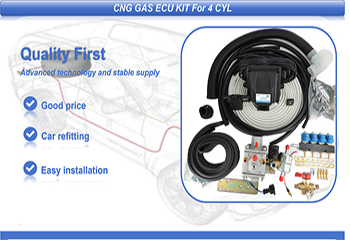
4. 5 safety checklists that CNG vehicles must check before driving in summer
The 5 safety checklist that CNG vehicles must check before driving in summer includes cylinder pressure, pipeline sealing, cooling system status, tire condition, and electrical system. Developing a systematic inspection habit can effectively prevent sudden vehicle malfunctions or safety accidents in high-temperature environments.
1) Check the pressure and valves of natural gas cylinders
Observe whether the pressure gauge reading of the gas cylinder is within the normal range of 0.6-0.8MPa.
Slowly open the gas cylinder valve, check if the manual valve and high-pressure main valve are fully opened, and confirm that there is no jamming.
Check whether the gas cylinder bracket is firm, and whether the fixing strap and rubber pad are damaged or aged.
2) Check the sealing of gas pipelines and joints
Check for any signs of leakage in high-pressure pipelines, welding points, and ball valve connections, with a focus on whether there is a "hissing" sound or odor.
Confirm and consolidate the fastening of U-shaped bolts to prevent loosening or leakage caused by vibration during driving.
Before driving, apply soapy water to the key joints and observe if there is any foaming to determine the sealing performance.
3) Monitor the engine cooling system
Check if the coolant level of the radiator is sufficient. It is strictly prohibited to add water instead of antifreeze to prevent corrosion and poor heat dissipation.
Check if the coolant color is clear, and replace it promptly if it is cloudy or dark brown.
Before starting, check whether the water temperature sensor and water temperature gauge are working synchronously to ensure that the high temperature warning function is normal.
4) Check tires and driving safety equipment
Use a pressure gauge to check if the tire pressure is within the manufacturer's recommended range, avoiding being too high or too low.
Inspect the tire surface for nails, scratches, bulges, and cracks or deformations on the sidewall after circling the car.
Confirm that the spare tire and toolbox (wrench, jack, etc.) are complete, and carry the driver's license and driving license with you.
5) Confirm the electrical system and ventilation status
Check for aging, short circuits, or poor contacts in the vehicle's electrical circuits to prevent the generation of electric sparks that can ignite gas during startup.
Ensure good ventilation inside the car and strictly prohibit smoking or using open flames in the cabin.
When parking, choose a cool and ventilated place to avoid exposure to direct sunlight, which can cause abnormal increase in cylinder pressure.
Refer to:https://gomechanic.in/blog/stay-safe-in-cng-car/
The pictures and articles are from the internet. If there is any infringement, please contact us to delete them.
Popular articles
-
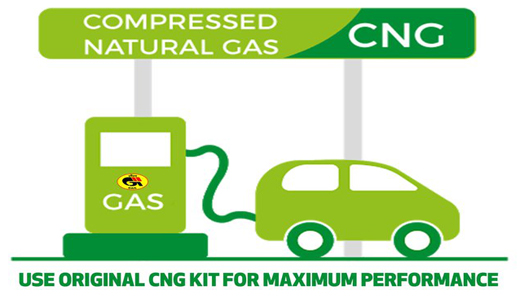
How the CNG Automotive S
Compressed natural gas (CNG) automotive systems
-
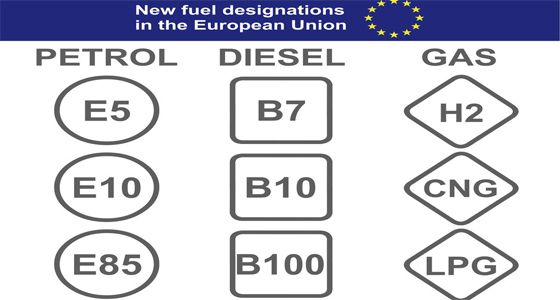
Advantages Of CNG Gas V
Compressed natural gas vehicles are vehicles th
-
What Is CNG Pressure Red
The pressure reducer of natural gas vehicle is
-
Reasons For High Gas Con
1. Original vehicle condition A. The tec
-

Differences Between Sing
Characteristics of Gas Single Point Device
-

How To Improve The Power
1. Install ignition advance angle What i
-

How The CNG Gas Vehicle
If you want to know – how does the CNG conversi
-

Advantages And Principle
LPG and CNG are two mainstream alternati





Latest comments
0piece comment
no comments, welcome to comment。