



LPG Vehicle Conversion Kits vs CNG Kits for Fuel Efficiency
LPG vehicle conversion kits offer different fuel efficiency advantages compared to CNG kits, mainly due to their unique fuel characteristics and installation systems. Gas enthusiasts are frequently caught between converting vehicles to Liquefied Petroleum Gas (LPG) or Compressed Natural Gas (CNG), each offering distinct advantages. Selecting the right conversion kit affects performance, long-term costs, and environmental impact, adding multiple dimensions to vehicle modification decisions. Gasoline alternatives like LPG and CNG create a pivotal decision point for reducing fuel consumption rates in your beloved cars and trucks.
(1) LPG and CNG conversion kits enhance fuel efficiency and environmental impact reduction compared to gasoline alternatives, affecting performance and longevity differently.
(2) Alternative fuel benefits include lower carbon emissions and cleaner air, contributing to greener vehicle technology innovations.
(3) Propane alternative benefits include high fuel efficiency and extensive propane infrastructure availability, offering a reliable gasoline alternative comparison.
(4) CNG conversion kits generally incur higher installation costs than LPG kits but may enhance engine longevity with lower engine wear and tear.
(5) I have seen CNG kits across fleets where engine performance analysis reveals consistent fuel consumption rates over years of use without deterioration.
(6) Carworship specializes in recommending the best conversion kits tailored for fuel efficiency in various vehicle types, providing expert advice customized to user needs.
(7) Gasoline alternative comparisons suggest that both LPG and CNG kits equip users with practical insights into fuel efficiency acquisition and cost-effective driving.
Discover the Benefits of Alternative Fuel Vehicle
Alternative fuel vehicles offer significant environmental benefits by reducing carbon emissions and promoting cleaner air. Vehicles powered by propane or CNG tend to be less pollutant compared to traditional gasoline cars. Alternative fuel benefits include decreased fuel consumption rates and enhanced longevity for engines. A cost-effectiveness study in 2020 revealed that switching can save up to 40% on fuel expenses over five years. Vehicle performance comparison shows they maintain performance efficiency, offering better reliability than many gasoline alternatives.
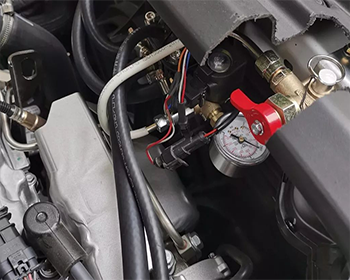
Advantages of Propane as an Alternative Fuel
Propane is considered a clean alternative fuel due to lower carbon emissions while providing similar energy efficiency as gasoline. According to a 2019 report, propane shows comparable fuel efficiency in vehicles when set against other fuels. Propane safety guidelines dictate robust tank integrity checks and leak prevention to ensure user safety. Propane infrastructure is consistently expanding, making it widely available in over 27,000 locations in the United States. Propane vehicle technology benefits include a seamless transition with significant propane conversion kit pricing advantages.
Comparing Fuel Efficiency of LPG and CNG Kits in Vehicles
The choice between LPG and CNG kits significantly impacts fuel efficiency, with LPG offering slightly better miles per gallon (MPG) rates in various road tests. LPG fuel efficiency and CNG conversion kits show similar returns in engine wear analyses, offering consistent vehicle longevity without compromising performance. Conversion kit costs for LPG tend to hover around.
How Many Miles Can a Converted Vehicle Travel on CNG?
A vehicle converted to CNG typically achieves an average range of 200-250 miles per tank, depending on size. CNG mileage calculations get affected heavily by driving style, with aggressive drivers experiencing reduced efficiency. CNG conversion impact factors include the capacity of CNG fuel tanks, which influence travel distance, and energy efficiency measurements suggest variances based on load and terrain. Vehicle range analysis shows reliable range factors like wind resistance and driving habits impact overall vehicle performance on the road.
(1) Advantages of Using Alternative Energy Units
(2) People save money on fuel costs.
(3) LPG kits reduce harmful emissions.
(4) Drivers enjoy smoother engine performance.
(5) CNG kits offer quicker ignition times.
(6) Users experience less engine noise.
(7) Cars gain longer engine life.
(8) Eco-friendly fuels increase air quality.
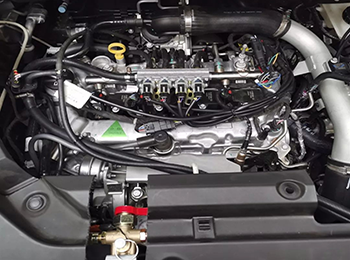
Understanding Obscure Yet Effective Conversion Kits
Alternative fuel vehicles like those using LPG and CNG offer significant environmental benefits by reducing emissions compared to traditional gasoline cars. These obscure conversion kits improve vehicle compatibility and performance comparison often shows better fuel efficiency with LPG and CNG. The cost-benefit analysis of adopting alternative fuel vehicles reveals significant long-term savings, as refueling costs for LPG and CNG are usually lower than gasoline. Conversion kit effectiveness in these niche market kits also ensures they are a reliable option; many AEGPL certified kits are proven to last as long as gasoline vehicles. While obscure, these conversion kits like Landi Renzo and BRC Gas Equipment are essential for eco-conscious drivers.
Why Choose an AEGPL Certified LPG Kit for Conversion?
Propane is considered a clean alternative fuel due to its lower carbon emissions and reduced environmental footprint. Fuel efficiency for propane, when using an AEGPL certified kit, often surpasses gasoline efficiency, thanks to strict quality assurance standards like those regulated by the European LPG Association. Safety measures for propane vehicles are robust, with certified kit availability ensuring consumer confidence and safety assurance. Propane as a vehicle fuel is widely accessible across Europe, increasing convenience for users who choose regulatory compliance and AEGPL certification benefits offered by brands like Tomasetto Achille.
LPG Conversion Kits Enhance Vehicle Efficiency and Safety
LPG conversion kits improve vehicle efficiency through advanced conversion kit advancements that optimize fuel consumption. Modern safety features in these kits include automatic shut-off valves and thermal safety mechanisms, ensuring safety compliance measures. Regulatory safety standards keep LPG emissions reduction and vehicle performance improvements at the forefront, aligning with environment-friendly conversions. Brands like Stargas provide examples of how regulatory standards ensure the safety of LPG kits while maintaining high explosion safety standards.
Refer to:https://www.acko.com/car-guide/cng-car-maintenance-and-safety-guide/
The pictures and articles are from the internet. If there is any infringement, please contact us to delete them.
Popular articles
-
How the CNG Automotive S
Compressed natural gas (CNG) automotive systems
-
Advantages Of CNG Gas V
Compressed natural gas vehicles are vehicles th
-
What Is CNG Pressure Red
The pressure reducer of natural gas vehicle is
-
Reasons For High Gas Con
1. Original vehicle condition A. The tec
-
Differences Between Sing
Characteristics of Gas Single Point Device
-
How To Improve The Power
1. Install ignition advance angle What i
-
How The CNG Gas Vehicle
If you want to know – how does the CNG conversi
-

Advantages And Principle
LPG and CNG are two mainstream alternati





Latest comments
0piece comment
no comments, welcome to comment。